 By the Smili Phone team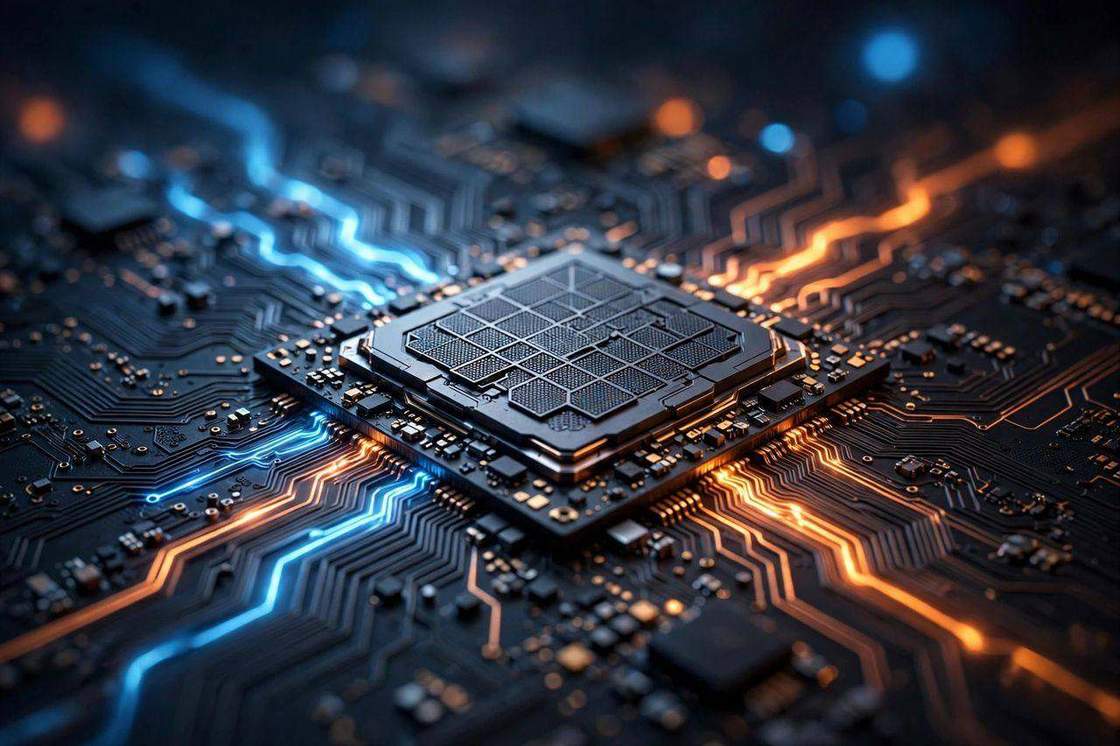
On Monday, October 12, Microsoft announced the next generation of its custom AI chip, the Maia 300. The company plans to deploy potentially more than a million of them next year to power its internal AI services. The number matters less than what it represents: the biggest cloud companies are no longer content renting the hardware that runs AI. They are building it themselves.
The Maia 300 is the third generation of Microsoft's custom silicon. Its predecessor already runs Microsoft's in-house AI models as well as models from OpenAI on the Azure cloud service, and the company says multi-gigawatt deployments start next year. This wave of custom chips, from cloud rivals and AI firms alike, is aimed at loosening the hold Nvidia has had on the AI computing market for years.
How the Maia 300 works
Microsoft took a different technical path from Nvidia. Instead of one massive computing chip surrounded by high-bandwidth memory chips, the Maia 300 is built from "chiplets": smaller specialized chips bonded together. The key computing functions use 2-nanometer technology from TSMC, while cheaper 3-nanometer chiplets handle moving data off the processor. It is a deliberate trade: precision where it counts, savings where it does not.
The full racks are serious hardware too: 96 chips per rack using about 167 kilowatts of power. Microsoft says the Maia 300 gets about 40 percent more useful computing done per megawatt than leading GPU-based systems. Rani Borkar, president of Azure hardware systems and infrastructure, told Reuters the design delivers more intelligence for every watt and every byte of memory.
Why your phone cares
This is not just a data center story. Every time you ask your phone's assistant a question, the answer is computed on hardware like this. Cheaper, more efficient AI computing is what makes smart assistants faster and puts more AI features directly on your device instead of in the cloud. The chip race is also why more of tomorrow's AI will run locally on your phone: faster responses, and more of your data stays on the device.
- Keep your phone's software updated so you receive the newest on-device AI features as they arrive.
- If your assistant feels slow, free up storage and restart the phone. AI features need headroom to work.
- Remember that every cloud AI answer costs someone electricity and hardware. That is exactly why this chip race exists.
Here in Escondido, the chip news shows up in practical ways: phones running hotter as AI features multiply, batteries draining faster with always-on assistants, and people asking us whether it is time to upgrade. If your phone feels sluggish under the weight of new AI features, bring it by 1882 W El Norte Pkwy before you buy a new one. A tune-up or a battery swap often gives an older phone years more life.
Related: OpenAI's big bet on AI agents · running AI on your own computer