 By the Smili Phone team
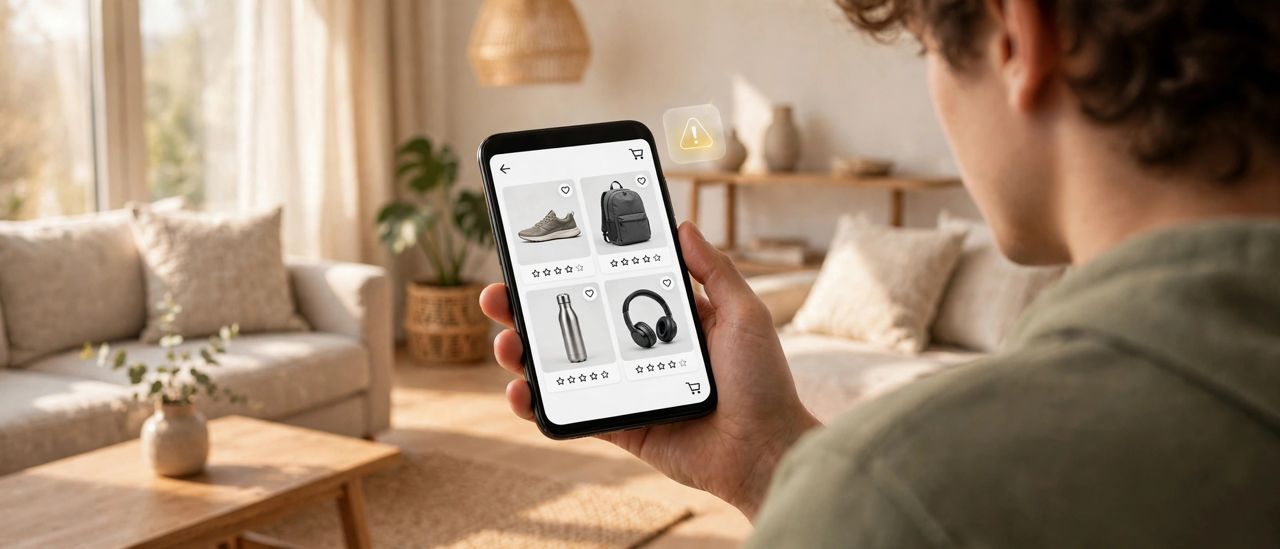
For years, a chatbot could help you pick what to buy and then stop at the checkout page. That line moved on November 13, when OpenAI launched ChatGPT Wallet, a way for its AI agent to pay for things on your behalf. You ask for something, the agent finds it, and the purchase goes through. It raises one question: how much control do you keep? OpenAI built the wallet around one rule. The agent never sees your real card number, and nothing gets bought without your approval first.
What ChatGPT Wallet is
Wallet works inside dots, the always-on agents OpenAI introduced in late September. Unlike a regular chat, a dot can browse the web and take actions for you. Wallet is the payment piece that lets a dot finish a purchase it started.
OpenAI built Wallet with American Express, Mastercard, and Visa. When you add a card, the card network issues a one-time payment token, a stand-in number with its own security code and expiry date. The store gets the token, not your real card number. OpenAI calls it the first wallet that lets agents pay without seeing your card details while requiring a security check on every purchase.
How a purchase works
You ask your dot to buy something, like reordering a household item. The dot finds it and shows you the order: the item, the store, and the total. You approve it with a biometric check on your phone, such as Face ID or a fingerprint scan. The card network sends the store a one-time token, and the order goes through.
That approval step is the whole point. No setting lets the agent buy things on its own today. OpenAI plans to add spending limits later, so you could set a maximum amount or approved categories, but that option is not live yet.
Who can use it right now
For now, Wallet is a small test, rolling out gradually to ChatGPT Pro subscribers in the United States who are 18 or older, with a US billing address. It works with eligible US-issued American Express, Chase, Mastercard, and Visa credit cards. Debit cards and virtual cards are not supported, and OpenAI has not announced a date for Plus or free users, or for other countries.
What to watch before you turn it on
Agent payments are new, and new payment methods attract scammers. Treat every approval like signing a receipt, and check the store name and the item before you confirm with your fingerprint. An agent can find a lookalike store just as easily as a real one, and we recently wrote about chatbots linking to fake shops. If the store looks unfamiliar, pause and check it yourself first.
Keep your phone locked with a strong passcode and biometric login. Your face or fingerprint is now the key that approves purchases, so a phone someone else can unlock is a wallet someone else can open. If your phone is lost or stolen, lock it remotely right away. Then check your card statements the same week you use Wallet, not a month later. A one-time token protects your real card number, but it does not stop a wrong item or a shady store from charging you, and a bad charge is far easier to dispute when you spot it early.
ChatGPT Wallet is the clearest sign yet that AI agents are heading for the checkout page. The design is careful, with tokens instead of real card numbers and your approval on every order. If a charge or a store ever looks wrong on your phone, bring it by our shop in Escondido and we will help you sort it out.
Related: Your AI Shopping Helper May Link Fake Stores · Most Banking Scams Now Happen on Your Phone